
Battery Innovation Center
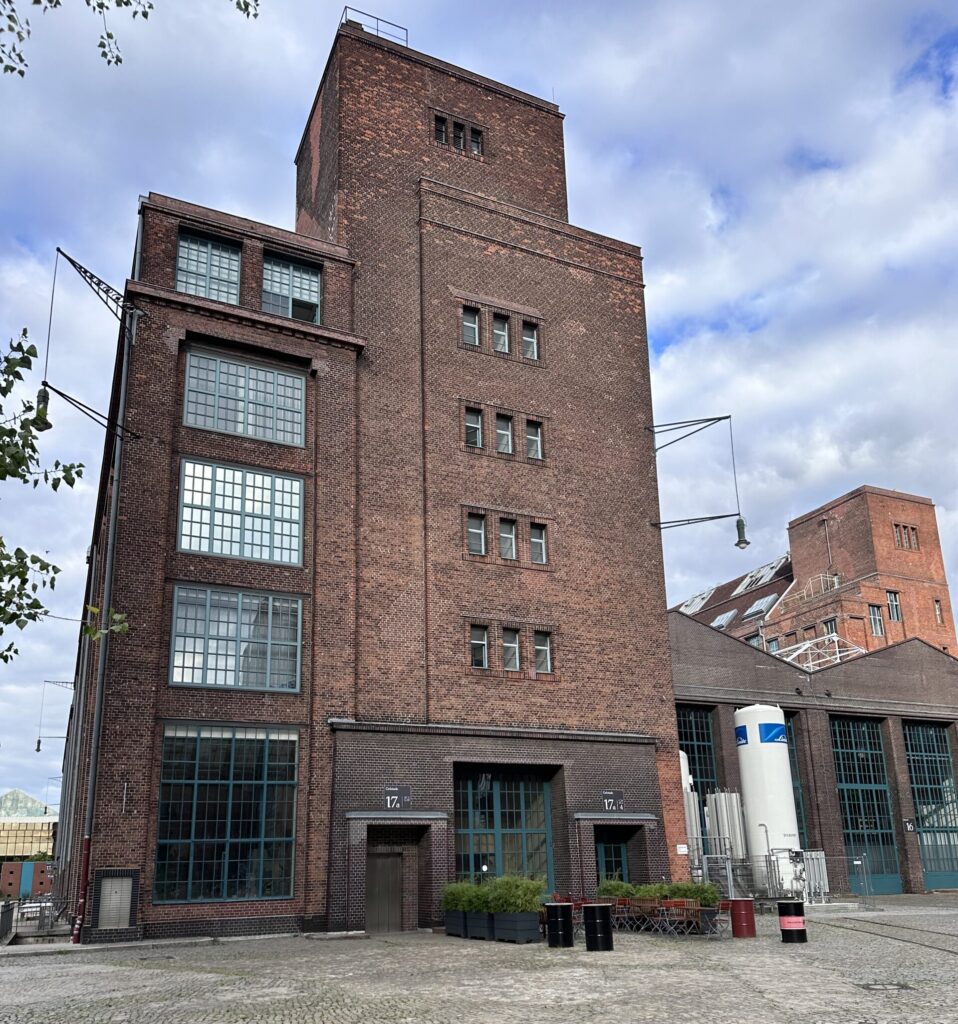
Our competence Center for R&D and Battery Cell Prototyping
The Chem4Batteries laboratory, located in central Berlin, works closely with TU Berlin, Humboldt University, and the Fraunhofer Institute as part of the city’s battery research ecosystem. Next to Fraunhofer IZM, which is renowned for its work in microelectronics, lithium-ion batteries, and silicon wafer production, the Chem4Batteries battery laboratory specializes in material benchmarking and the prototyping of battery cells. This includes electrode preparation, battery cell assembly, and battery cell testing. Our laboratory additionally conducts battery cell teardown and postmortem analysis and has access to nearly all advanced analytical tools. Additionally, it serves as the hub for Chem4Batteries’ High Throughput Research and Development activities.
Battery cell prototype and
product validation support

- Test cells with high reproducibility
- Used for high-throughput testing of Li-ion battery materials, product validation and material benchmarking studies
- CAM chemistries of NMC, NCA, LFP, LMFP, Sodium
- AAM chemistries of Graphite, Silicon, LTO, Hard Carbon
- Capacity from ~800mAh to 5 Ah cells
- Used for comprehensive material benchmarking studies and cell formulation developments
- Examine long-term cycling data of materials to confirm both performance and lifespan
- CAM chemistries of NMC, NCA, LFP, LMFP, Sodium
- AAM chemistries of Graphites, Silicon, LTO, Hard Carbon
- Solid state/ Li-metal configuration possible
- Capacity of c.5-6 Ah (Standard 2170) or customized variations
- Long-term cycling data collection and comprehensive full cell performance analysis
- Used as demonstrator to validate new cell formulation and assess battery material innovation
- Assess cell performance in real-world conditions and perform safety tests on the cells
- Opportunities to do larger cell prototypes like 4680 / 46120
- CAM chemistries of NMC, NCA, LFP, LMFP, Sodium
- AAM chemistries of Graphites, Silicon, LTO, Hard Carbon
Battery cell testing, postmortem analysis
and cell teardown services
- Galvanostatic cycling, PEIS, DCIR, CV
- Detailed analysis of electrochemical cycling curves to identify anomalies and performance degradation
- Benchmark performance comparision against industry-standard references
- Custom electrochemical cycling protocols designed to meet specific application requirements
- High-rate capability testing e.g. for eVTOL and other demanding applications
- Long-term cycling for extended life and durability studies
- Applying standard analytical techniques: Scanning Electrode Microscopy (SEM), Energy Dispersive X-ray Spectroscopy (EDX), X-ray Photoelectron Spectroscopy (XPS) and Thermogravimetric Analysis (TGA)
- Specialized assessments: Lithium plating detection, analysis of cell swelling, cell safety diagnostics and on-demand testings
