Chem4Batteries provided excellent technical knowledge to various projects for our clients. Their connection to the Asian market is especially beneficial, and we look forward to collaborating again.
Wolfgang BernhardtRoland Berger 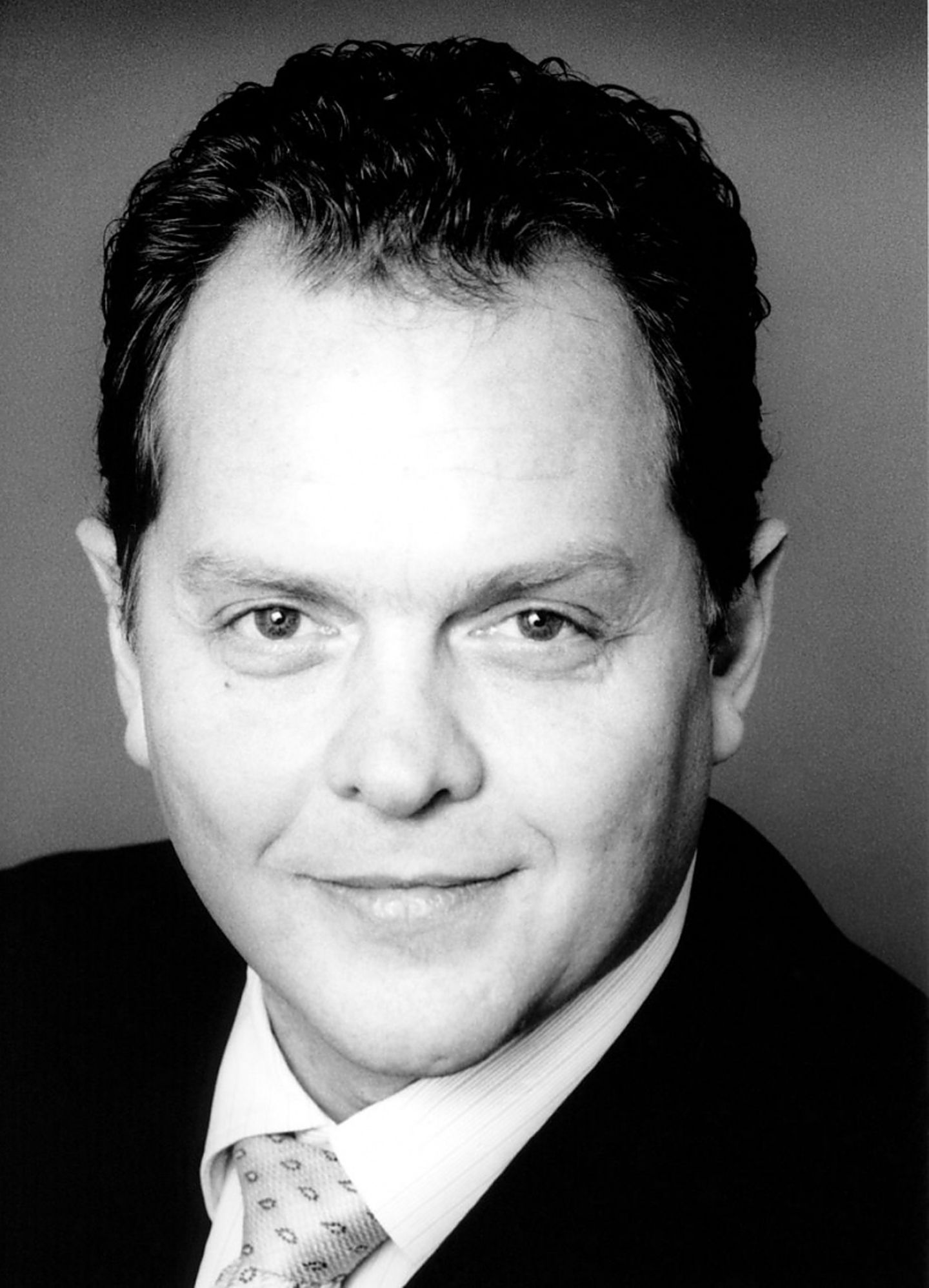
We worked with Chem4Batteries to model anode manufacturing costs, benchmark industry standards, and enter contract manufacturing outside Asia. Their expertise helped us build a strong business case for advanced anode production in the US. They have been a critical strategic partner in driving our success.
Brent Sonnek-Schmelz (CEO)Giga Graphite 
We are grateful for the excellent business development support and the global network. This enabled us to enter into business with a major Automotive OEM in just a few weeks.
Ralf Wagner (CEO)Elyte 
Chem4Batteries provided a well-structured overview of the battery landscape, offering valuable insights during our early-stage market exploration. Their input helped shape a clearer strategy for both market positioning and product development. Their professional communication and responsiveness made them a reliable partner during the initial phases of our outreach.
Ibrahim S AminuUniversity of Limerick 
With a professional and innovative attitude, Chem4Batteries supports FANQUN in expanding its new energy markets in Europe. It anticipates future growth together, to attain a mutual benefit.
Hui ZhaFanqun